
Who’s Looking After the People
Who Look After Everyone Else?
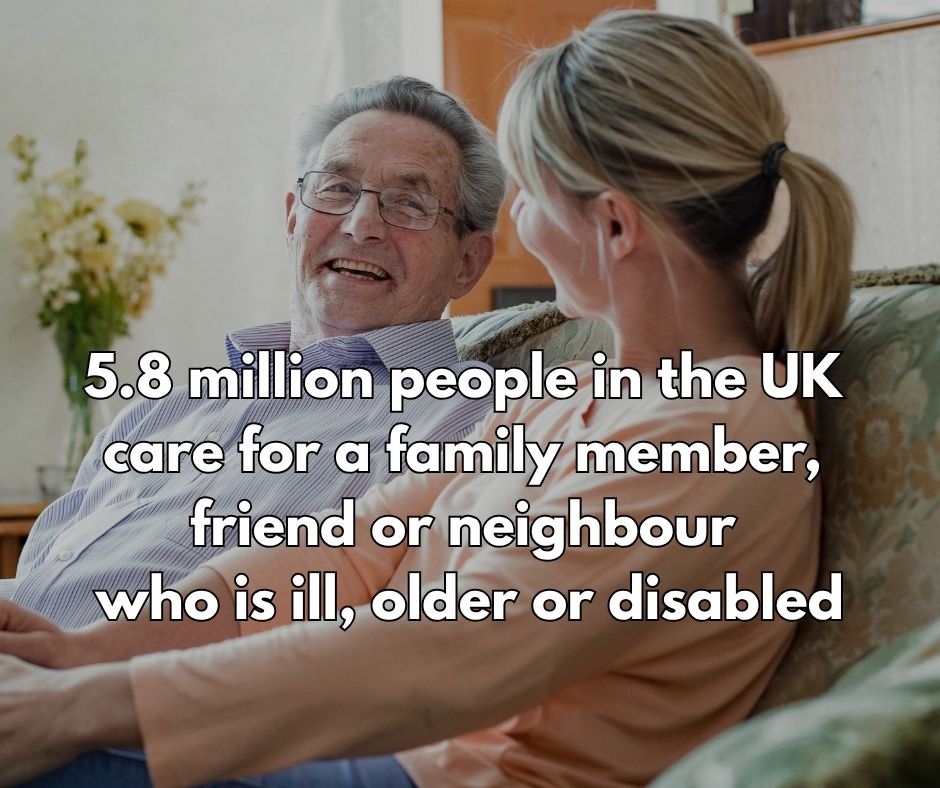
There are millions of unpaid carers in the UK. Most of them didn’t choose the role. One day, they were a husband, a wife, a daughter, a son. Then an illness arrived, and the caring began, gradually at first, then more fully, then around the clock.
According to Carers UK’s State of Caring 2025 survey, almost three-quarters of unpaid carers say they feel stressed or anxious. Nearly half report that their physical health has worsened as a direct result of caring. One in five has experienced a physical injury. Many describe being alert even at night, never fully off duty, never certain what the small hours might bring.
What does a respite stay actually look like?
Hospice respite care, in a hospice setting, means a short stay: usually a few nights, sometimes longer. The person who is ill comes into the hospice. They receive specialist care, pain management, and support from a team that knows exactly what it’s doing. And the carer goes home.
That might sound simple. But for many carers, it’s the first uninterrupted night’s sleep they’ve had in months, sometimes years.
What makes a hospice respite stay different from other forms of short-term care is the quality of what the patient receives while they’re there. This is not a holding arrangement. Patients have access to a full clinical team, symptom management, complementary therapies and, often, a range of activities and social contact they may not get at home. Many patients look forward to their stays. The familiar faces of staff and volunteers, the change of surroundings, the chance to talk to people who understand; these things matter. A respite stay at a hospice is care, not supervision.
What do carers do with the time?
That depends on the carer. Some sleep. Others finally see friends they’ve not seen in months. A few deal with things that have been piling up: a GP appointment of their own, a bill left unopened, a full night in their own bed without listening out, perhaps a short trip for a change of scenery or some sea air.
Marie Curie describes many carers as sleeping with one eye open, even in their own homes, always alert, never fully resting. A few days of real rest, knowing that someone they love is safe and being well looked after, can be the difference between a carer who can keep going and one who cannot.
That matters beyond the individual family. Family members provide an estimated three-quarters, or more, of home-based care to people at the end of life, according to the Parliamentary Office of Science and Technology. When a carer reaches their limit, the effect reaches much further than one household.
Why is it harder to get hospice respite care than it should be?
Hospice respite care depends on beds being available. It depends on hospices having the staff, the equipment and the funding to open those beds. Right now, that’s not guaranteed.
A large share of hospices in England have made cuts to frontline services, or are considering them. Some children’s hospices have reduced their short breaks and respite provision, and a few have stopped it altogether.
The reason isn’t a lack of demand or a lack of will. It’s money. Hospices in England receive only a portion of their funding from the NHS. The rest comes from charitable income: from fundraising, from grants and from donations. When that income falls short, services are reviewed, and respite, which is easier to defer than emergency or end-of-life care, is often among the first to be affected.
That’s what the funding shortfall looks like in practice. Not a figure on a spreadsheet. A carer who needed four days in September and was told there were no beds.

What can a grant actually make possible?
Hospice Aid UK doesn’t fund respite as a service with a name. What we fund is the practical infrastructure that makes it possible. The beds. The equipment. The holistic extras: a hairdresser visiting the ward, complementary therapies, the small comforts that help a patient feel cared for rather than parked. Last year, we funded a year of complementary therapy services for a hospice at home team and helped refurbish patient bedrooms at a hospice in Chester.
None of those things appears on a leaflet about respite care. But without them, a patient’s stay is less comfortable, and a carer’s break is harder to feel good about.
That’s the connection. When you give to Hospice Aid UK, you’re not funding a service with a name. You’re funding the conditions in which that service can exist.
If you’re able to support our work, don’t forget to tick the Gift Aid box ✅
If you’re a carer reading this…
A break is not a betrayal. It’s not a sign that you’re failing, or that you care less, or that you have given up. It’s what allows you to keep going.
If you’re supporting someone at the end of life and you’re struggling, talk to your GP, your hospice team, or your local carers’ support service. Marie Curie and Carers UK both offer detailed, practical guidance on how to arrange a break and what to expect from it.
And if the hospice that cares for your loved one has helped you, or if the thought of losing that support worries you, one of the most useful things you can do is support the charities that keep those hospices funded.
How can you help?
Hospice Aid UK makes grants directly to hospices across the UK for the practical equipment and services that keep their doors open and their beds filled. A gift of any size adds to that. You can give once, or set up a small regular gift, and every pound goes to the hospices that need it.
At Hospice Aid UK, we’ve spent over two decades making sure hospices can be there when families need them. With your fabulous help, we can keep going.
If you’d like to know more about our work, explore our website or get in touch at info@hospiceaid.org.uk.

Find out more about our partnerships for businesses of all sizes and how to choose Hospice Aid UK as your Charity of the Year