
How Do Hospices Help With Loneliness
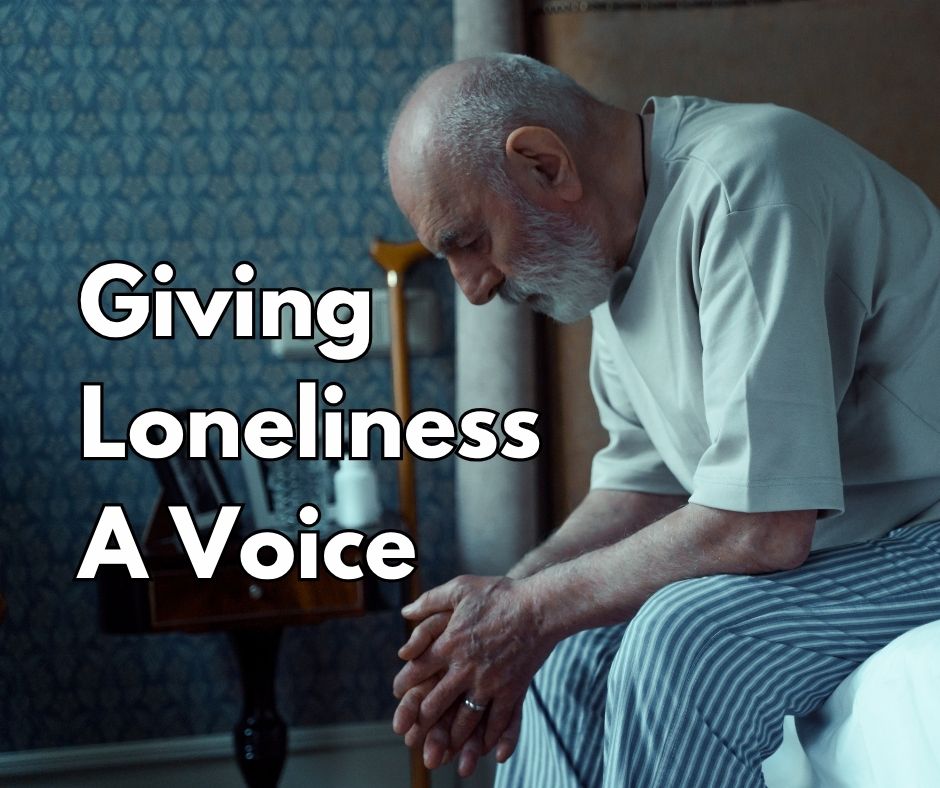
Loneliness Awareness Week may be done for another year, but for the people hospices care for, and the families around them, loneliness doesn’t stop just because the awareness week is over. The campaign is in its tenth year, with the theme ‘Giving Loneliness a Voice’. It’s the kind of national moment that gets people thinking for a few days before everyone returns to their lives.
Hospices have been thinking about loneliness for decades. They’ve also been doing something about it.
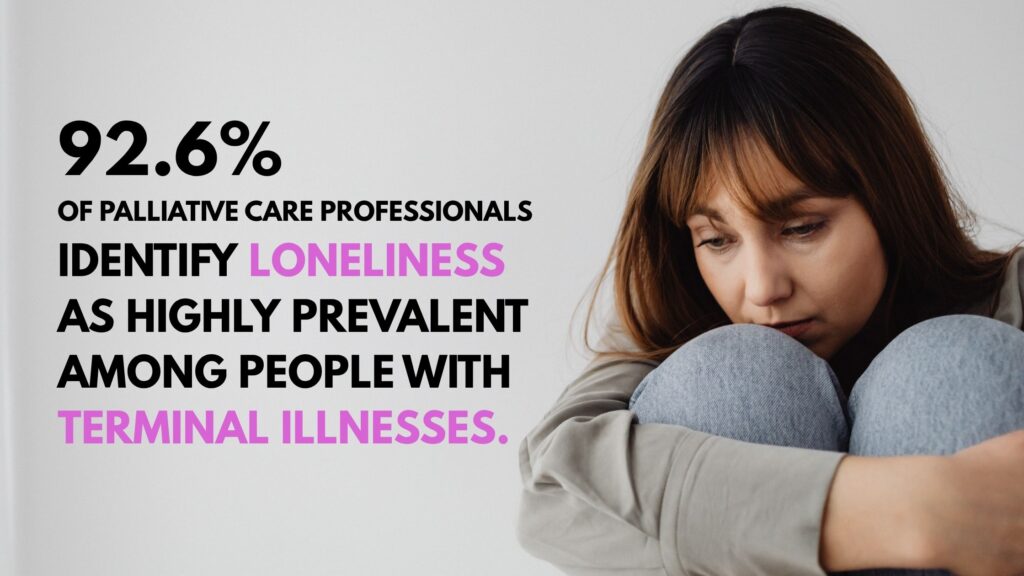
Why does loneliness matter so much at the end of life?
When you ask people what they’re afraid of about dying, the answer that comes up most often isn’t pain. It’s being alone.
A serious illness has a way of shrinking your world. The conditions themselves do it. Fatigue, breathlessness, loss of speech or mobility can all make it harder to keep up with friends, family, work, and the small social rituals that make up a life. And the people around you, even the ones who love you most, sometimes back away. Not because they don’t care, but because they don’t know what to say. They worry about getting it wrong. They tell themselves they’ll visit next week, and next week becomes next month.
The result is that someone who used to be at the centre of a busy life can find themselves on the edge of it.
The same thing happens to family carers, though they rarely talk about it. While they’re absorbed in looking after someone, their own social life often disappears. By the time they look up, the world has moved on without them.
Loneliness is a significant issue in UK hospice and end-of-life care
How do hospices help people stay connected?
A surprising number of ways, most of them practical and warm.
Day services and drop-in groups. Many hospices run weekly or daily sessions for patients who live at home. Music, art, gentle exercise, manicures, lunch, conversation. For someone whose world has narrowed with illness, it’s a chance to be among other people again. For the families who care for them, it’s a few hours of breathing space.
Volunteer befrienders. Trained volunteers who visit patients at home or in the hospice. Sometimes they read aloud, sometimes they play cards, sometimes they just sit and chat about the football. The point is showing up, and showing up again next week, and the week after that.
Communal spaces. Hospice lounges, kitchens and gardens are designed for people to bump into each other. The tea trolley is a serious piece of social infrastructure. So is the bench in the garden.
Performances and visitors. Choirs sing. Therapy dogs visit. A neighbour pops in with cake. Hospices know that an unexpected face at the door can lift a whole afternoon.
Family-friendly everything. Wide doors. Pet visiting policies. Bedrooms big enough for the whole family to camp out in. Family lounges with biscuits and proper coffee. Activities for visiting grandchildren. Children’s bereavement work for visiting siblings. The aim is to make it easy for the people around the patient to actually be there.
Communication aids. When someone has lost the ability to speak, the conversation hasn’t ended. It just needs different equipment. We’ve written before about the eye gaze machine we funded for Demelza Hospice Care for Children, which lets non-verbal children chat to their parents through their gaze alone. Eye gaze, picture boards, communication apps and other technology turn one-way care back into two-way relationships.
What equipment does Hospice Aid UK fund?
We don’t run hospices ourselves; we raise money and give it to hospices that need help paying for the practical things that make these connections possible.
Recliner chairs and fold-out beds. A husband who can spend the night in a comfortable chair beside his wife doesn’t have to go home at nine pm. He’s there for the small hours, the late-night conversations, the holding of a hand. That isn’t a small thing.
Furniture for family lounges. Sofas, dining tables, coffee tables, kettles. The things that make a hospice feel like somewhere you’d want to spend
an afternoon with the person you love, rather than somewhere you have to be.
Garden equipment. Accessible seating, raised beds, shaded areas, and paths designed for wheelchairs. Gardens are some of the most popular spaces in a hospice, but they only work if everyone can use them.
Day service equipment. Art supplies, musical instruments, games, and gentle exercise gear. The stuff that fills the rooms where people come together each week.
These costs don’t make headlines. They aren’t the kind of things big corporate sponsors get excited about funding. But they’re often the difference between a place that feels institutional and a hospice that feels like home. They’re what turns a building full of beds into a welcoming community.
What’s the bigger picture on loneliness?
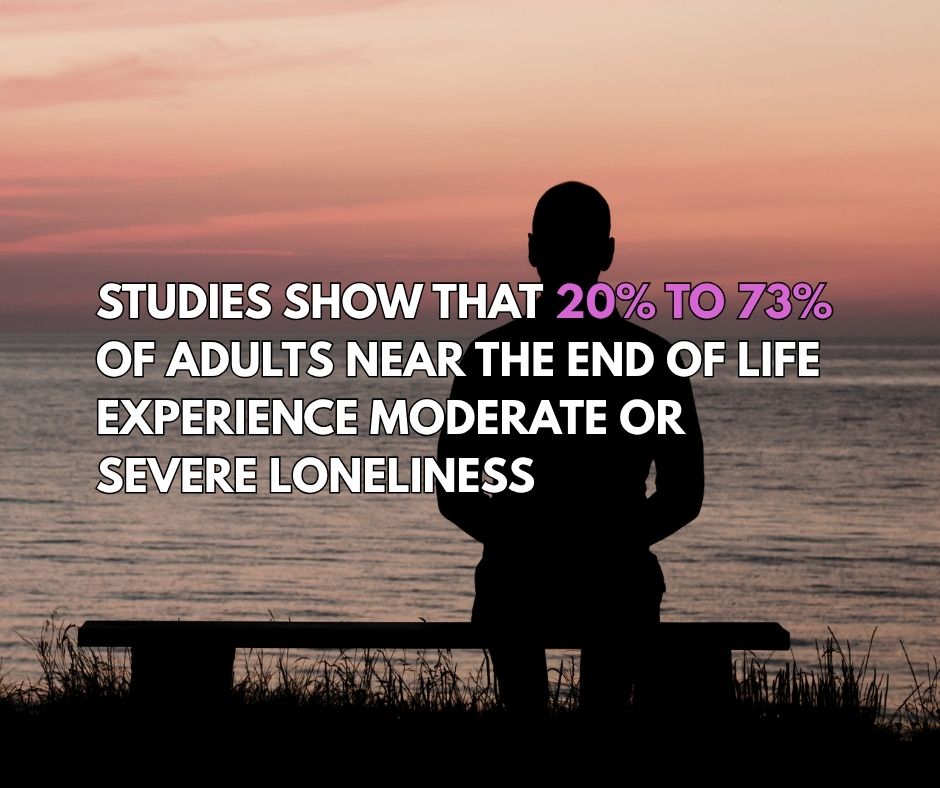
Research over the past decade has shown that loneliness is a risk factor for almost everything: depression, anxiety, sleep problems, heart disease, dementia, and earlier death. It deserves to be taken seriously, not just for one week in June.
The answer isn’t complicated. It’s people, time, and the small rituals that bring them together. Tea. Choirs. Comfy chairs. A volunteer who shows up every Tuesday. A garden bench where you can sit and talk. A communication aid that gives someone their voice back.
These are the things hospices have always known about. And they’re the things Hospice Aid UK exists to fund.
If you’re able to support our work, don’t forget to tick the Gift Aid box ✅
How can you help?
Your donation goes straight into our grant pot. Every recliner chair, every eye gaze machine, every garden bench is paid for by supporters, like you, who want to help.
To the family carers, befrienders, volunteers, neighbours and hospice staff who are doing the connecting day in and day out, this week and every week: thank you.
You’re the reason fewer people have to be alone at the hardest time of their lives.
At Hospice Aid UK, we’ve spent over two decades making sure hospices can be there when families need them. With your fabulous help, we can keep going.
If you’d like to know more about our work, explore our website or get in touch at info@hospiceaid.org.uk.
Find out more about our partnerships for businesses of all sizes and how to choose Hospice Aid UK as your Charity of the Year