
Love in Action: Supporting a Loved One
Through Terminal Illness

Valentine’s Day fills shop windows with hearts and roses, and our social media feeds with declarations of love. But for the thousands of families across the UK who are caring for someone with a terminal illness, love looks very different right now. It’s quieter. More worn in. And often far braver than anything you’d find in a greeting card.
If you’re supporting someone you love through a terminal illness, we hope some of what follows might help.
Love is showing up
When someone receives a terminal diagnosis, the people around them often feel helpless. What do you say? What do you do? How do you behave normally when nothing feels normal anymore?
The honest answer is that there’s no script for this. But one of the most powerful things you can do is simply keep showing up. Not with the perfect words, but with your presence. Sitting together in comfortable silence. Watching a favourite programme on television. Talking about the football, the weather, what the neighbours are up to – the ordinary stuff that reminds someone they’re still very much alive.
People with terminal illnesses often say that one of the hardest things isn’t the illness itself, but the way people start to withdraw. Friends stop calling. Invitations dry up. Colleagues become awkward. It comes from a good place – people don’t want to say the wrong thing – but it can leave someone feeling isolated at the very moment they need connection most.
So, show up. Send the text. Make the visit. You don’t need to fix anything. You just need to be there.
The practical side of love
Love, when someone is seriously ill, is often less about grand gestures and more about the small, practical things that make each day a little easier.
Here are some things that families and carers tell us genuinely help:
Help with the everyday. Cooking a meal, doing a supermarket shop, picking up a prescription, walking the dog, putting the bins out. These things might seem mundane, but when you’re exhausted and overwhelmed, someone taking one task off your plate can feel like the kindest thing in the world.
Be specific with your offers. “Let me know if you need anything” is well-meaning, but it puts the burden on the person who’s already struggling. Try instead: “I’m going to Tesco on Thursday – can I grab your shopping?” or “I’ll pick the kids up from school on Wednesday.” Specific offers are easier to say yes to.
Help navigate the system. The amount of paperwork, appointments and phone calls that come with a serious illness can be staggering. If you’re the sort of person who’s good on the phone or organised with admin, offering to help make sense of it all can be a genuine lifeline.
Don’t forget the carer. Partners, parents and children who are caring for someone often put themselves last. They skip meals, cancel plans, and push through exhaustion because they feel they should. If you know a carer, check in on them specifically. Ask how they are – and mean it.
Looking after yourself matters too
If you’re the main carer for someone with a terminal illness, it can be easy to forget what you’re going through too.
Caring for someone you love is one of the most selfless things a person can do. It’s also one of the most physically and emotionally demanding. And if you run yourself into the ground, you won’t be able to care for anyone – least of all yourself.
This isn’t selfish. It’s necessary.
Accept help when it’s offered. This is harder than it sounds, particularly if you’re someone who’s used to coping. But letting someone else take the reins for an afternoon isn’t a sign of weakness. It’s common sense.
Talk to someone. Not everyone finds it easy to open up, and that’s fine. But carrying the weight of someone else’s illness entirely on your own is a heavy load. Whether it’s a friend, a GP, a counsellor, or a support group, having somewhere to be honest about how you’re feeling can make an enormous difference.
Take breaks, even tiny ones. A ten-minute walk. A cup of tea in the garden. A chapter of a book. These small pauses aren’t indulgences; they’re how you keep going.
Don’t feel guilty about your own emotions. Grief, frustration, anger, exhaustion, resentment – these are all perfectly normal responses to an impossible situation. You’re not failing anyone by feeling them.
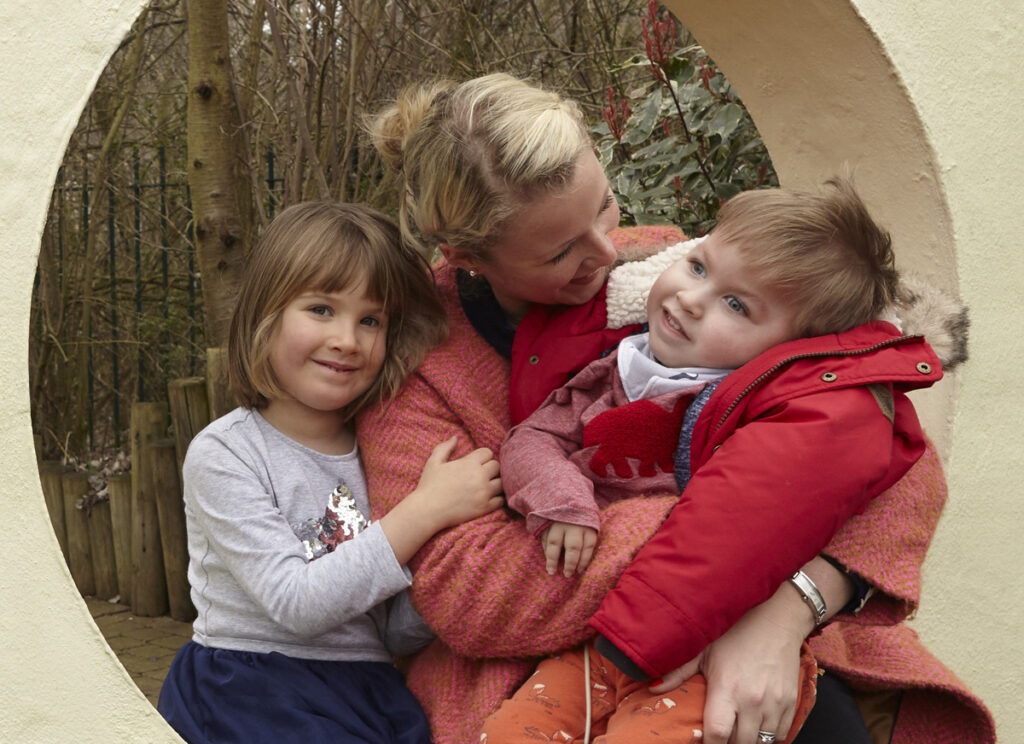
How hospices support the whole family
Something people don’t always realise is that hospice care isn’t just for the person who’s ill. It’s for the whole family.
Hospices provide counselling, emotional support, and practical guidance for partners, parents, children, siblings and friends. Many offer respite care – giving family carers a chance to rest, knowing their loved one is being looked after by people who genuinely understand their needs.
Bereavement support continues long after a death, for as long as it’s needed. There’s no time limit on grief, and good hospices know that.
At Hospice Aid UK, we’ve been funding hospices for over two decades to make sure they can keep providing this kind of wraparound care. When a hospice approaches us for funding, it’s often because they’re trying to maintain or expand the family support services that make such a profound difference during the most difficult time of people’s lives.
Resources that might help
If you’re supporting someone with a terminal illness, or you’re a carer looking for guidance, these organisations offer free, confidential support:
- Carers UK (carersuk.org | 0808 808 7777) – information and support for carers across the UK
- Cruse Bereavement Support (cruse.org.uk | 0808 808 1677) – bereavement counselling and support
- NHS Continuing Healthcare – if your loved one has complex medical needs, they may be eligible for fully funded NHS care. Ask your GP or district nurse for an assessment.

-
Your local hospice – many hospices offer family support services, day therapy, and carer groups even if the person you’re caring for isn’t an inpatient. It’s always worth asking what’s available.
This Valentine’s Day
Love doesn’t always look like flowers and chocolates. Sometimes it looks like sitting beside a hospital bed at two in the morning. Sometimes it’s making someone laugh when they didn’t think they could. Sometimes it’s the quiet courage of facing each new day when the future feels bleak.
If that’s your kind of love right now, we know it’s not easy. And we know some days are harder than others.
If you’d like to support the hospices that care for families like yours, a donation to Hospice Aid UK – however small – helps us respond when hospices need emergency funding. Every pound goes directly towards ensuring that compassionate, specialist care remains available for everyone who needs it.
Hospice Aid UK has been funding hospices across the United Kingdom for over 25 years.
If you’d like to know more about our work, explore our website or get in touch at info@hospiceaid.org.uk.

Donate now
Share this post with someone who might need it.
Visit our Support Us page to find out more about supporting Hospice Aid UK or contact us for help and advice about your donation.